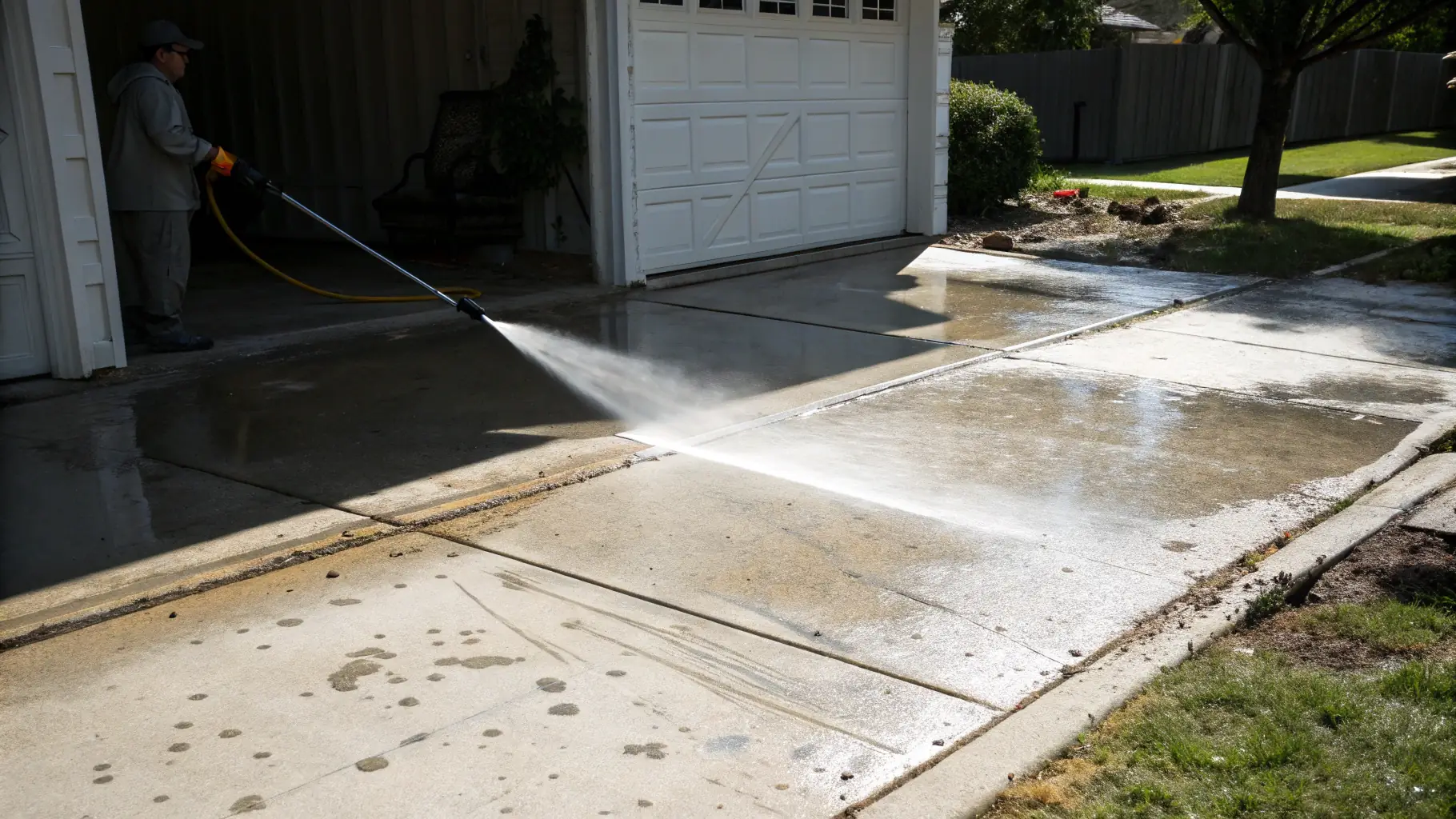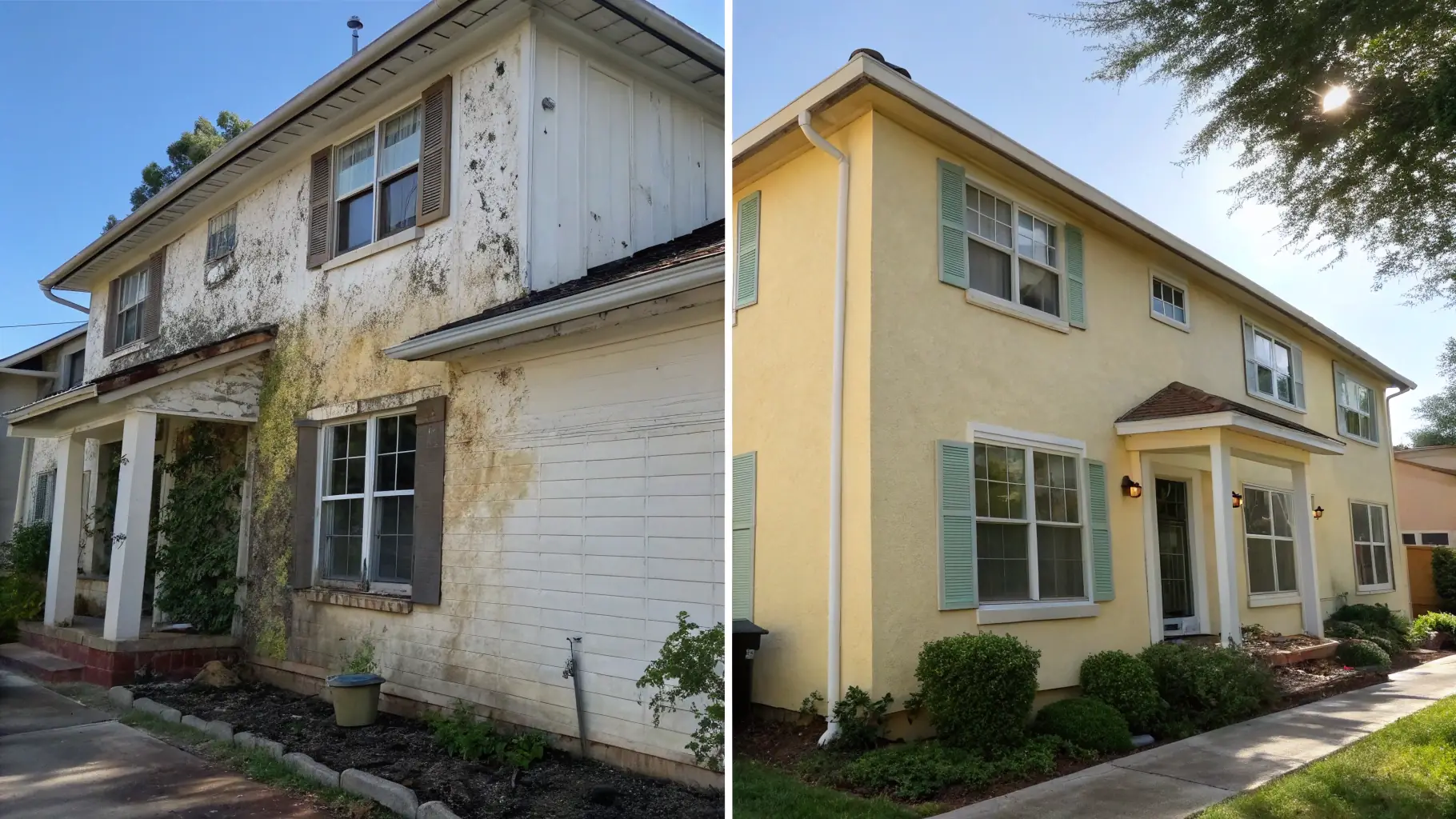
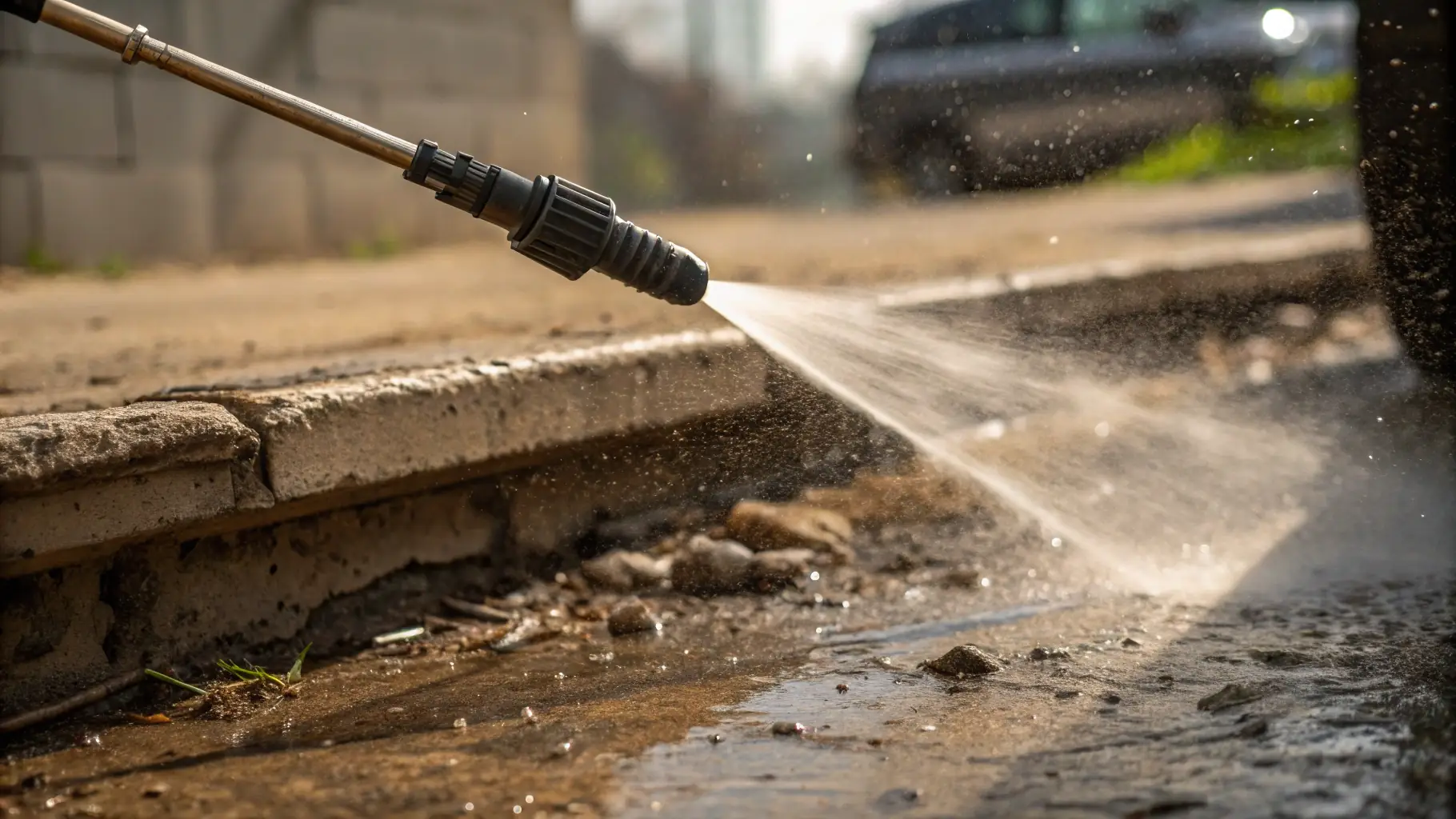
Choosing the right pressure washer setting can be daunting, but it’s essential for achieving optimal cleaning results while protecting your property. Different surfaces require different levels of pressure to avoid damage. For instance, delicate surfaces like painted wood or siding need a low-pressure setting, while tougher surfaces like concrete driveways can handle higher pressure. Understanding the PSI (pounds per square inch) ratings and nozzle types is key to making the right choice.
Start by identifying the type of surface you’ll be cleaning. Soft surfaces like stucco or painted wood require a gentle approach, typically around 500-800 PSI. For more resilient surfaces like brick or concrete, you can increase the pressure to 1500-2000 PSI. Always test a small, inconspicuous area first to ensure the pressure setting doesn’t cause any damage. Adjust the nozzle to achieve the desired spray pattern and intensity.
Regular maintenance of your pressure washer is also crucial for consistent performance. Clean the nozzles regularly to prevent clogs and ensure a uniform spray pattern. Check the hoses and connections for leaks or damage, and replace them as needed. By following these guidelines, you can confidently choose the right pressure washer setting for any cleaning task, ensuring both effective cleaning and the longevity of your surfaces.